SeaDatics monitors the operation of maritime safety devices
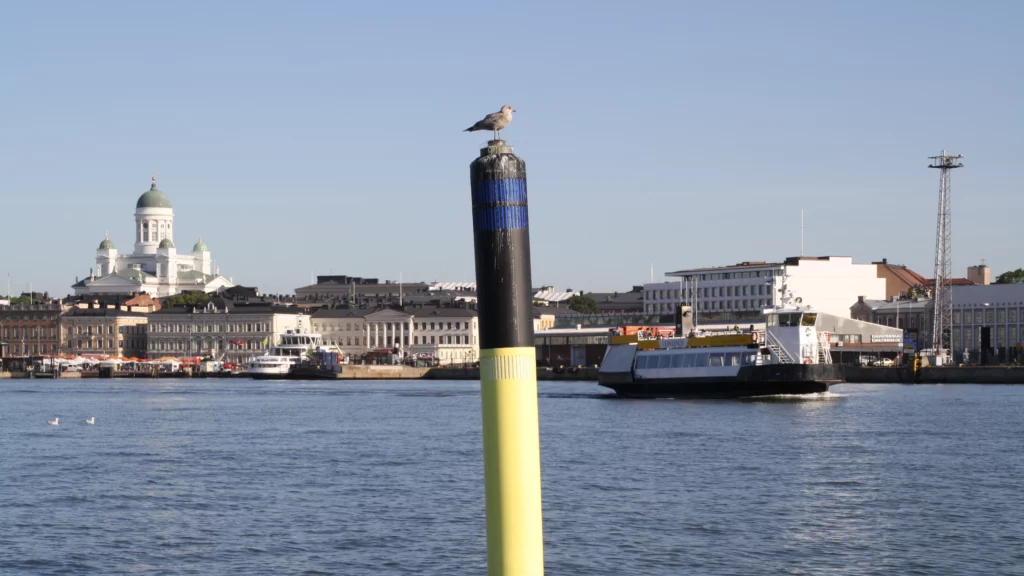
IoT is one of the biggest global waves of digitalization today. The growing number of connected devices and services enables intelligent data utilization, also in maritime traffic.
The digitalization of maritime traffic can be traced back to the 1990s with the proliferation of Vessel Traffic Service (VTS) systems. VTS systems transmit maritime traffic situational awareness to VTS centers along coastal areas, enhancing maritime safety and efficiency. In the 2000s, digitalization in maritime traffic has expanded from transmitting vessel data to real-time monitoring of maritime safety devices.
By collecting data, it is possible to significantly reduce maintenance costs of maritime safety devices and improve maritime traffic safety.
The impact of digitalization on navigational maintenance is well illustrated by the evolution of floating safety device inspection. Previously, safety device locations were manually verified using triangulation devices, checked one by one. The next step involved transitioning to GPS locators, but inspections still required checking each safety device individually. Current smart safety devices provide real-time location updates and alert maintenance contractors when threshold values are exceeded.
Arctia monitors the condition of maritime safety devices in real time
Nodeon implemented a maritime safety device monitoring system for Arctia. The system connects smart safety devices installed at sea (such as buoys, beacons, and markers) wirelessly to the network. Equipped with data collection and transmission solutions, these devices monitor their functionality, location, and gather sea condition data. The collected data significantly reduces maintenance costs of the safety devices and enhances maritime traffic safety.
The management solution is based on a tailored mobile-based data collection and transmission solution for safety devices, integrated with the cloud-based SeaDatics management system. The centralized management system is built on Microsoft’s global Azure cloud platform, ensuring 99.99% platform availability and efficient scalability in terms of performance and accessibility. A GIS-based map interface gathers all safety devices into a map view, allowing real-time inspection of their status individually or by regions.
Explore our services for maritime and ports
Would you like to hear more?
Our experts are happy to discuss your needs further. Contact us!

Joel Kuusela
+358 40 5867 134
joel.kuusela@nodeon.com
Our work
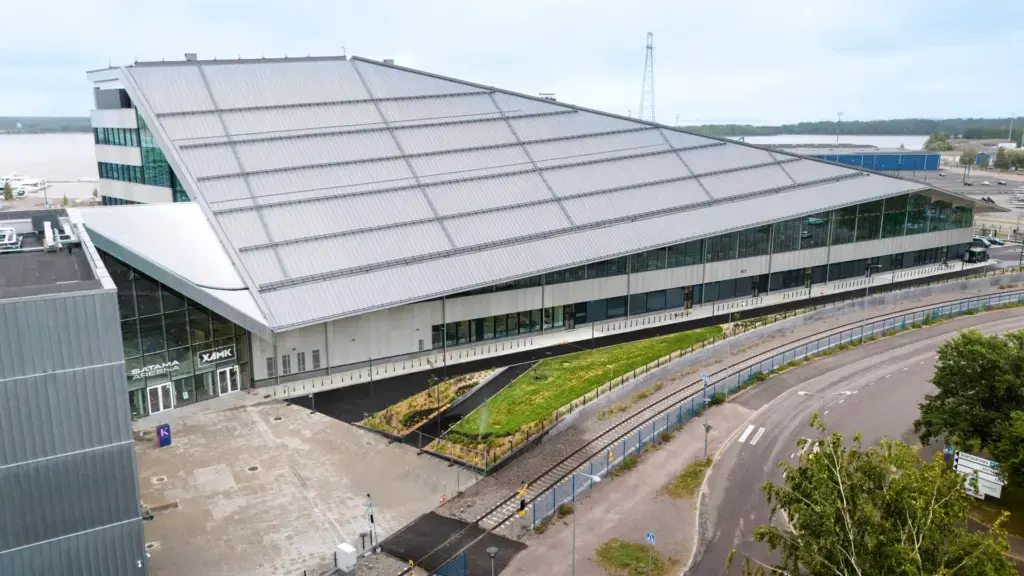
KoKoLiike develops a knowledge base to improve Kotka’s transport system – supported by Nodeon Asgard
Read more
European climate work needs measurable data – Espoo advances cycling with counting solutions
Read more
Smart sorting yard boosts recycling — Veloop and Nodeon join forces
Read more
Dynamic parking guidance streamlines city center traffic in Oulu
Read more
Viherkallio residents’ park’s lighting integrates naturally with the environment
Read more
Pieksämäki passes 1,700 street lights designed by Nodeon
Read more
Smart electrical and lighting solutions for Jyväskylä’s new market square
Read more